
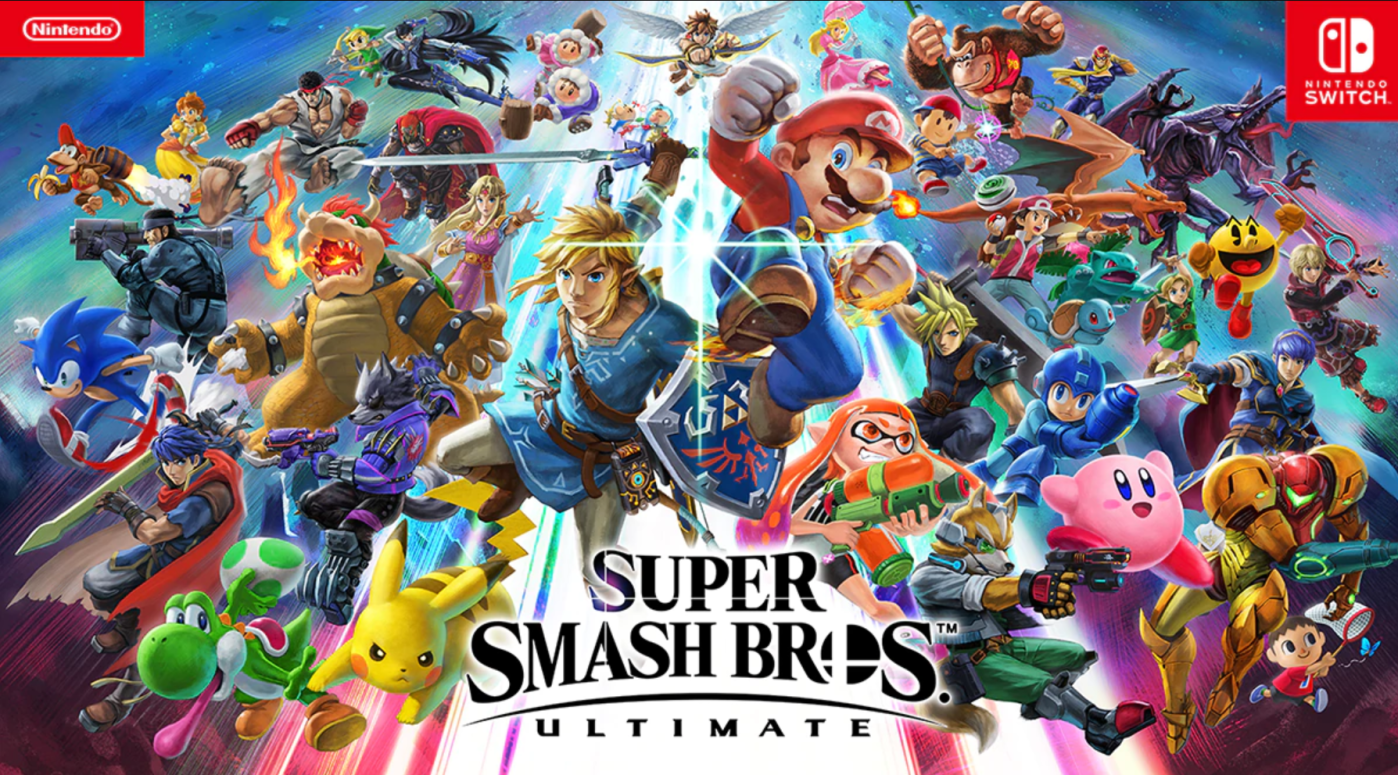

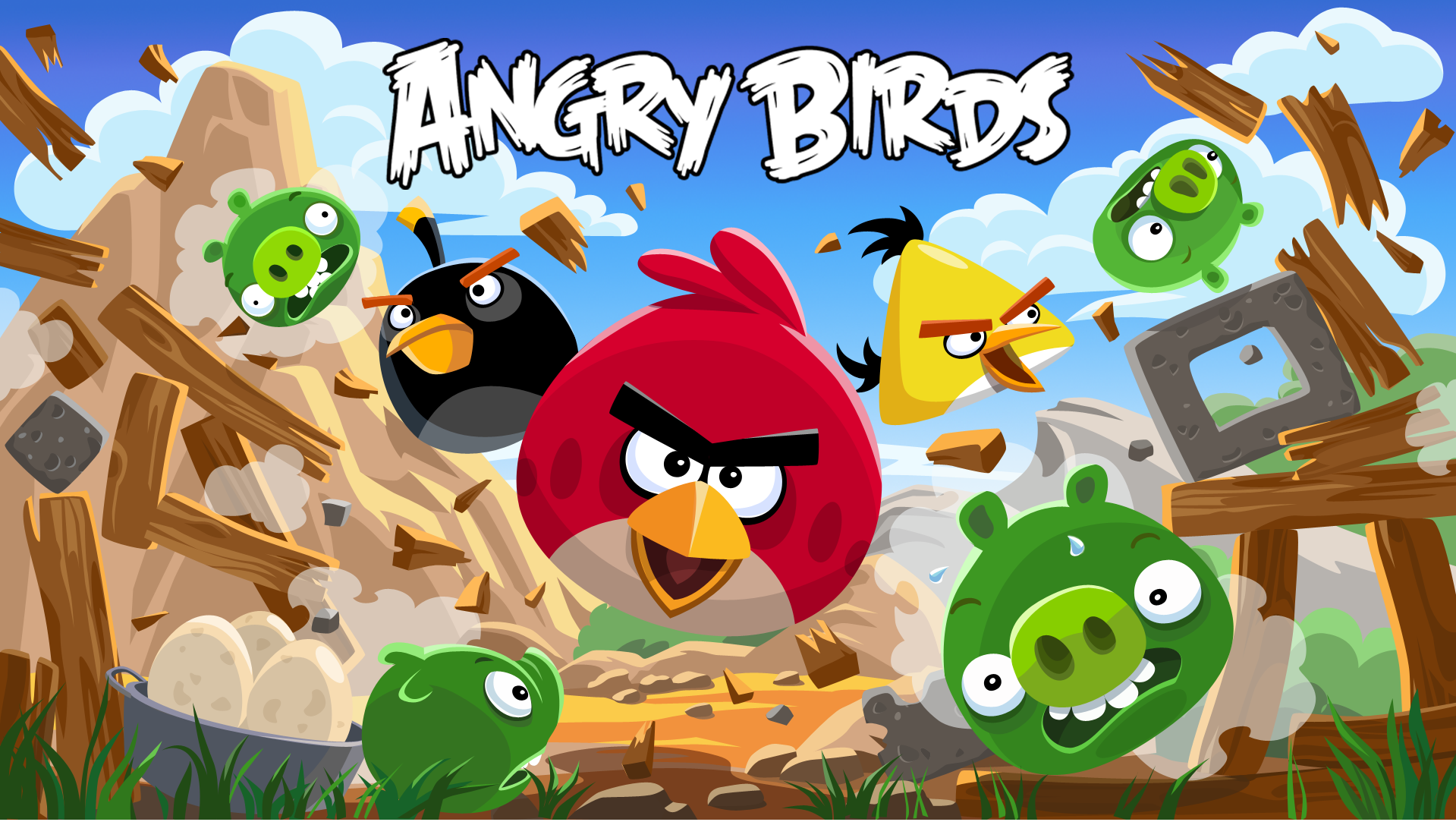
Do you still remember the first game you played? Whether it was Angry Birds on the iPhone or the original Donkey Kong in the arcade, games have had a heavy influence on the world around us.
Despite early controversies that games were bad and a waste of time, more modern views on gaming suggest it improves problem solving, creativity and quick decision making (just to name a few). It also seems that the power of games in digital marketing has been overlooked.
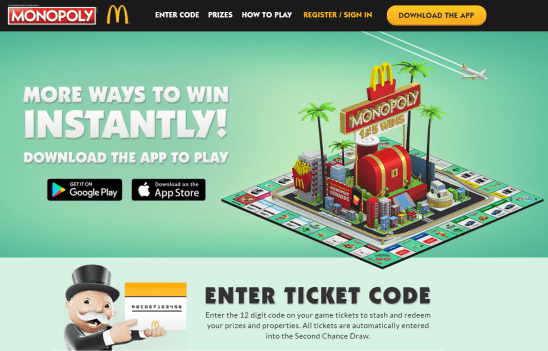
Especially with the rapid growth in mobile marketing, not only are games being played more on our highly personal devices, aspects and elements of games have been incorporated into brands’ digital strategies. With some brands incorporating only a few aspects of games, such as Hungry Jack’s’ “Check-in & Win” in their mobile app, and other brands more intensively utilising the power of games, such as McDonald’s’ widely popular Monopoly promotions.

But why are games so powerful? And why do people love playing them so much?
This is often the case because games:
-Can be a form of escapism in our potentially boring or troubling lives
-Provide a sense of accomplishment
-Fulfill human needs, such as competitiveness, challenge, leisure

Elements of games have somewhat merged with digital marketing, often through:
-Showing ads within games themselves
-Adopting game elements into digital marketing strategies
-Creating games to provide value to consumers, in return for exposure, sales and information on consumers’ behaviours
-Collaborating with games themselves (e.g. Samsung Galaxy Note 9 collaboration with Fortnite)
The popularity and attraction of games has many implications for digital marketing, especially following the consecutive successes of McDonald’s Monopoly game.
Should elements or aspects of games be incorporated into brands’ digital strategies? If so, what type of outcome would you expect from this?
Drop your thoughts in the comments below!
And until then I’ll see you in the next bLAWg post!
“Failure doesn’t mean it’s game over, it means try again with experience”
 bLAWg
bLAWg 
I think for all the reasons you stated above that gamification of ads is definitely a good idea. It’ll definitely increase customer engagement and if the game is done well, not just a simple throwaway game that can be played mindlessly but has a good story embedded in it it could help customers really create a bond with the brand and hopefully create brand loyalty.
LikeLiked by 1 person
Hi Ashley! I couldn’t agree more, but I guess the trade-off is also a very important consideration – between how resource intensive the game is and the results that the game is able to produce.
LikeLike
I think including gaming as a digital marketing strategy is a very clever idea. Because often these games become very popular and create a lot of buzz around the product, especially when playing the game is incentivised by discounts or vouchers to use at the business. It only seems realistic for big brand with big marketing budgets though, because these games take months or years to develop and cost a lot of money.
LikeLiked by 1 person
Hi Katrina, I definitely agree with you that creating an entire game/promotion are more realistic for larger companies with bigger budgets; however, with greater access to resources/software, perhaps it won’t be as taxing for even medium to smaller sized brands.
Or even if a full-scale game is too much, marketers can still incorporate ads into games themselves or use elements of game design into their website/app interface.
LikeLike